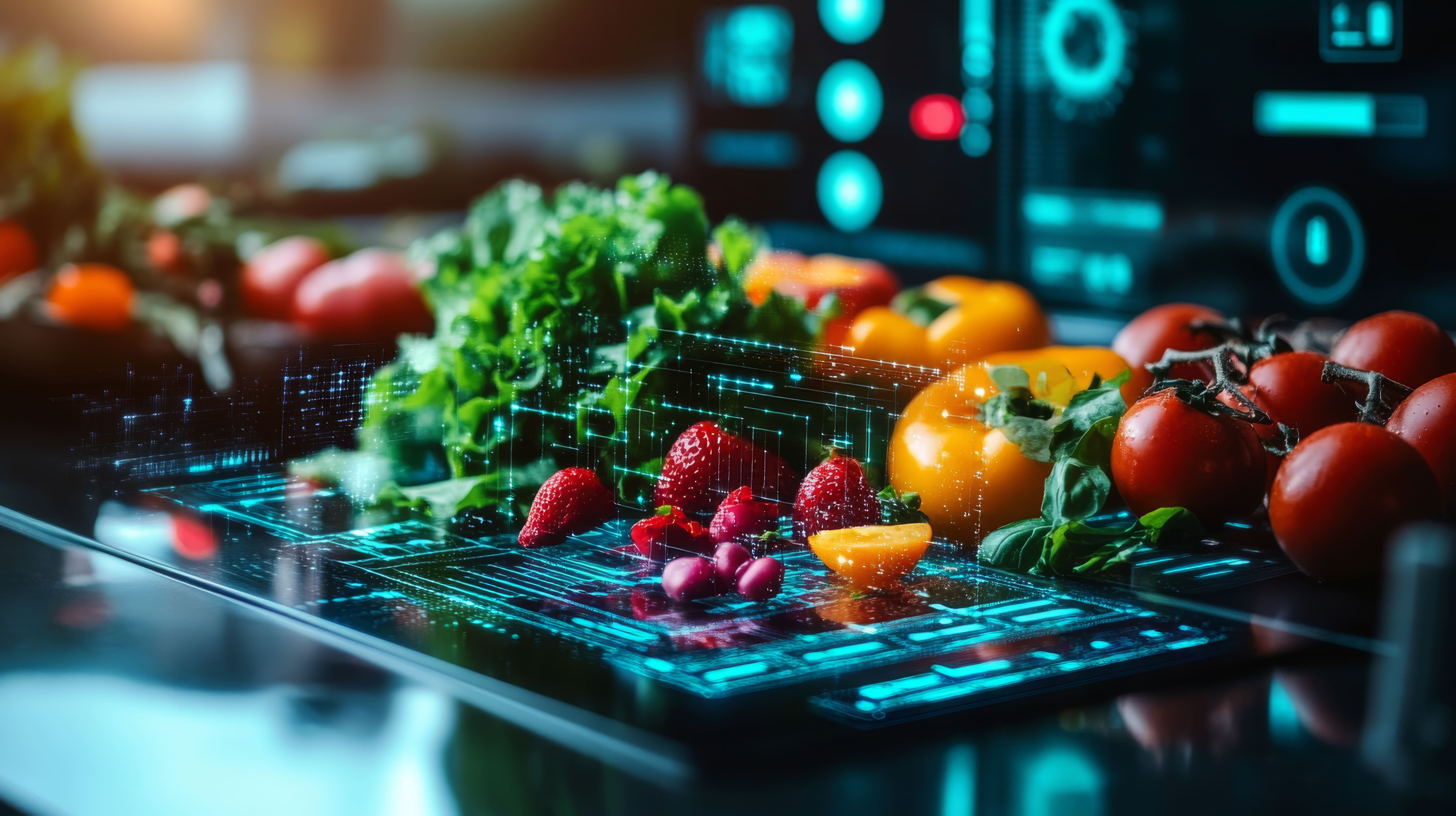
Imagine a food supply chain where every step is under constant watch, not by humans alone, but by a network of clever devices embedded in food packaging, storage rooms, and transport vehicles. These are smart sensors connected through the Internet of Things (IoT), a booming technology trend revolutionizing food safety in 2025. These tiny, embedded sensors continuously track critical conditions such as temperature, humidity, and gas emissions, factors that directly influence food spoilage and contamination risks.
Take refrigerated trucks transporting dairy or meat products. Traditionally, checks might only happen at loading and delivery points, leaving blind spots where temperatures could rise unnoticed, creating perfect conditions for bacteria to grow. With IoT sensors, these trucks send real-time data via cellular or satellite networks to cloud servers. If temperatures deviate from safe ranges, alerts are triggered immediately, allowing operators to act and prevent unsafe food from reaching stores or consumers.
Beyond temperature, biosensors embedded in packaging detect gases like ethylene (released by ripening fruit) or ammonia (a sign of protein breakdown). These sensors may change color or send electronic signals indicating freshness status. Imagine smart labels on lettuce bags that provide expiry warnings directly to shoppers smartphones. This innovation not only enhances safety but also reduces food waste by helping consumers optimize usage before spoilage.

IoT integration also improves traceability. When an issue arises, smart sensor data helps pinpoint exactly where and when a problem occurred, allowing fast and precise recalls that limit public health risks and economic losses. Future advances will see AI algorithms analyzing sensor data for predictive alerts, like forecasting shelf life under varying conditions, further ensuring safe food consumption.
In the EFRA Use Cases “Risk Predictions for Poultry Pathogens” and “Enhanced Predictive Capabilities for Pest Alarms,” data such as meteorological and environmental factors (humidity, temperature, light levels, etc.) from farms are collected via integrated IoT sensors. This data is fed into the EFRA AI models to train them for food safety predictions, enabling precise risk prevention across Europe’s food supply chain.
Adoption challenges, such as sensor cost and data privacy, are being addressed, with industry standards emerging to support interoperability and security. As the technology matures, smart sensors and IoT will become standard practice, closing gaps in food safety monitoring that were previously impossible to cover.